
This reliance on diesel generation has come at a cost. The machines, by their very nature, have a limited capacity, and Lodwar's harsh climatic conditions have further strained their performance. As a result, the generators have struggled to fully meet the town's power demand, making power rationing a familiar and frustrating norm for residents, businesses, and institutions in Lodwar and its surrounding areas.
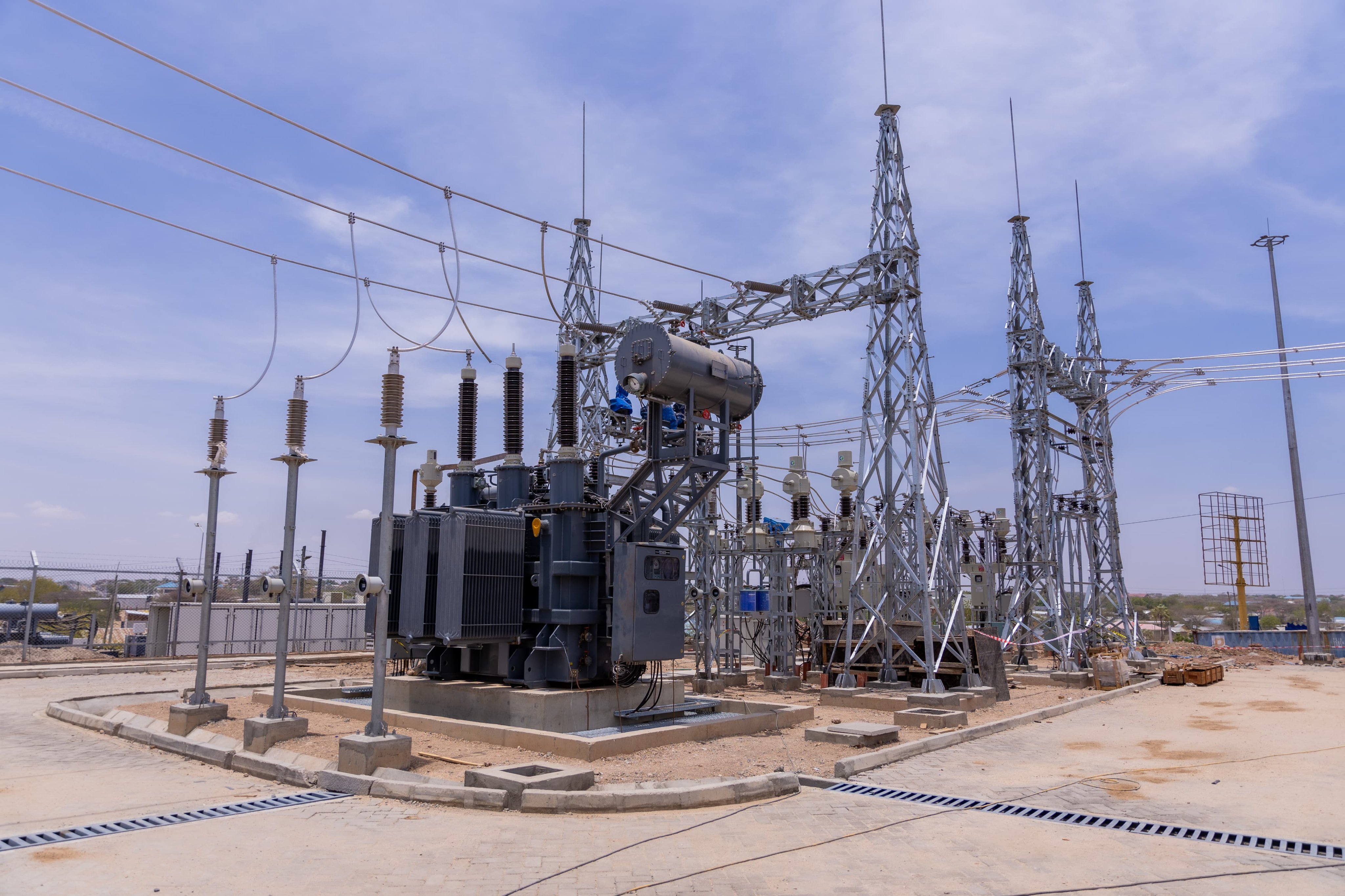
That story is about to change. We are now at the tail end of constructing a 66/11kV substation and a 66kV power line that will, for the first time, connect Lodwar to the national grid. This milestone project marks a turning point for the region, promising stable and more reliable electricity supply to power homes, businesses, and critical facilities such as hospitals and cold storage units.
Environmental and Economic Gains
The benefits of this project extend far beyond simply switching on more reliable lights. Connecting Lodwar to the national grid will pave the way for the decommissioning of the diesel generators that have powered the town for years, eliminating the fossil fuel emissions associated with their operation.
On the economic front, the shift is equally significant. Currently, up to KShs. 900 million is spent annually to fuel the diesel generators that keep Lodwar running. Once the substation and power line are complete, these funds will be freed up, representing substantial savings that can be redirected to other development priorities.
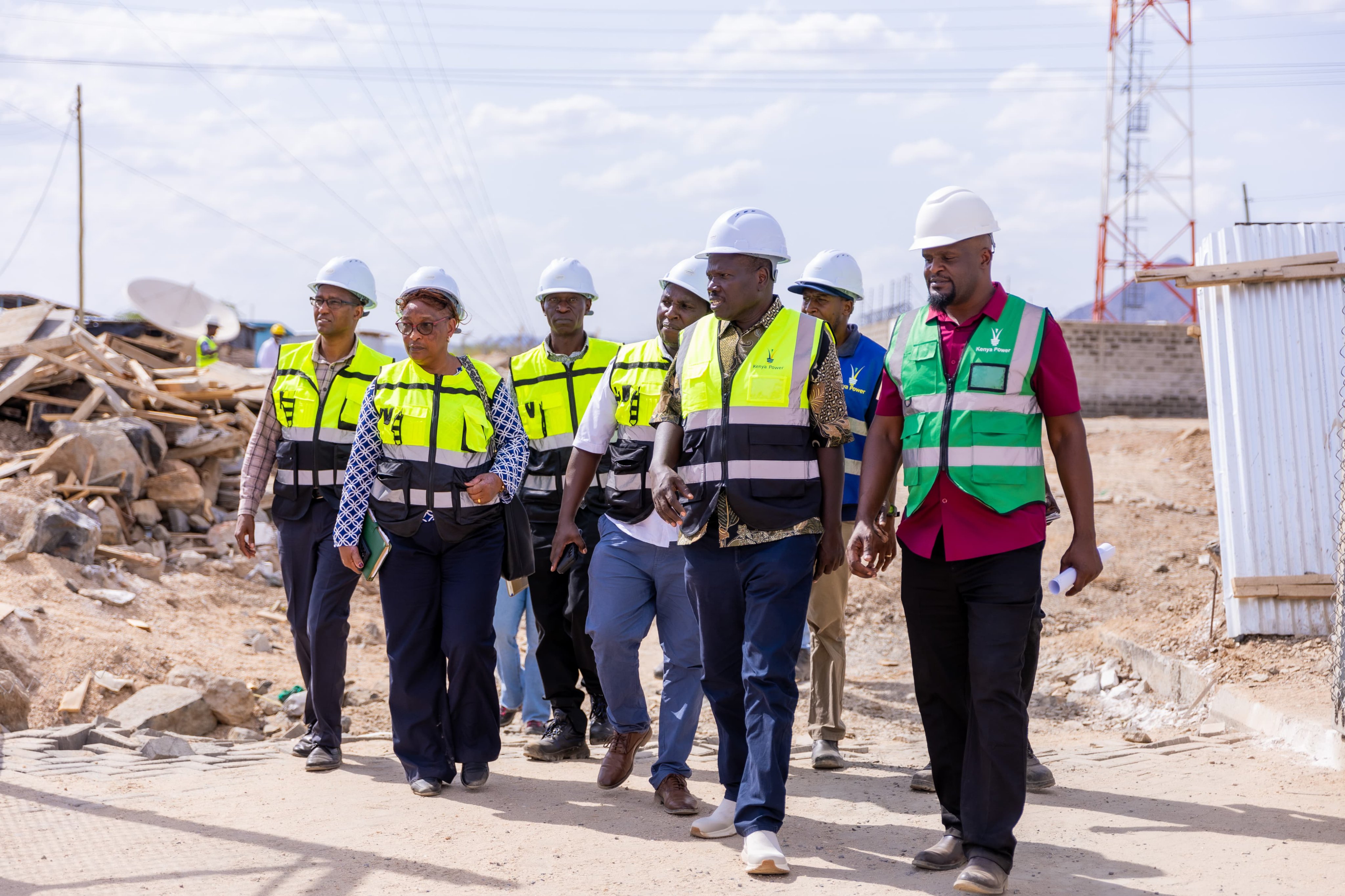
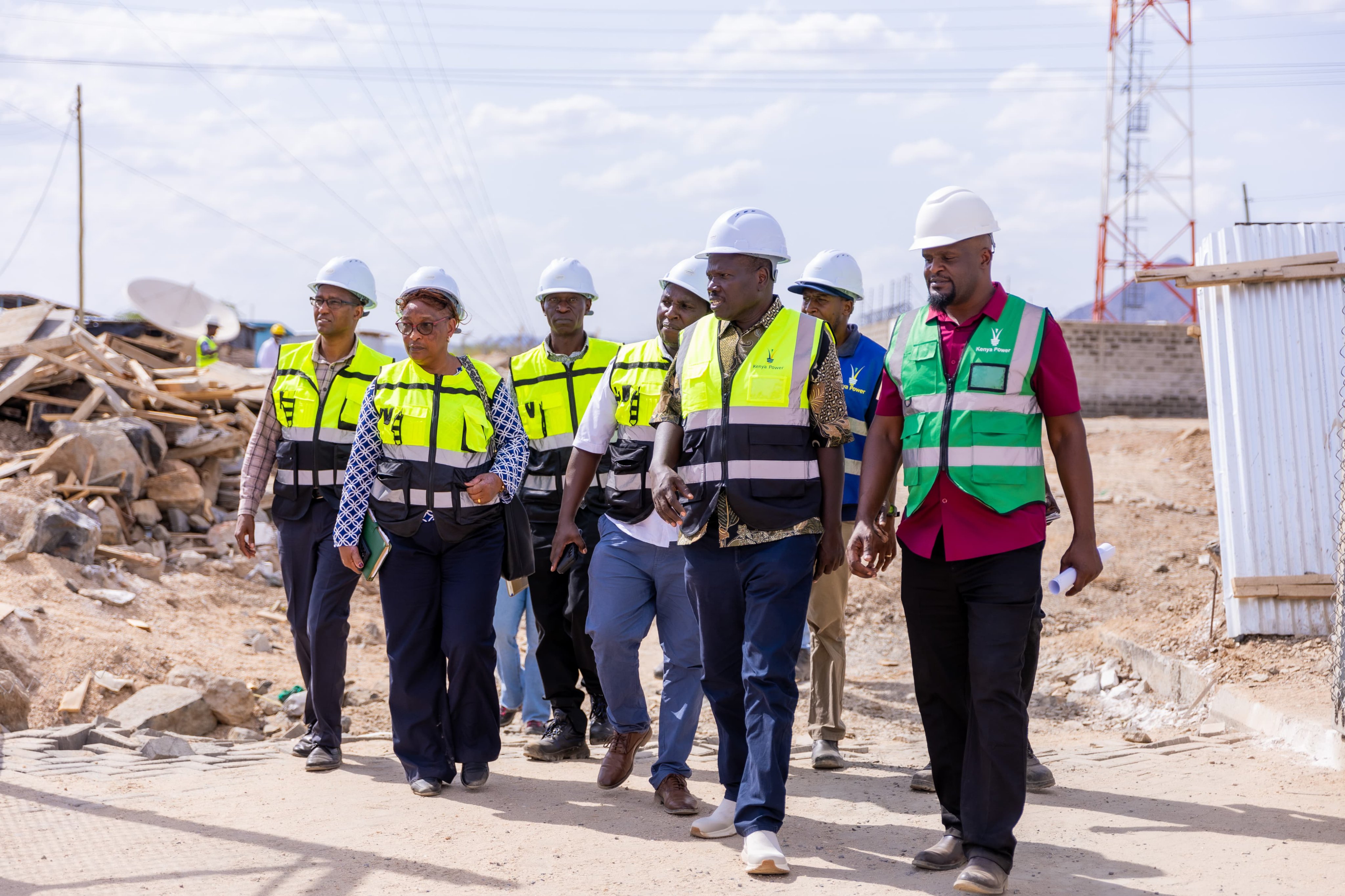
Yesterday, our Managing Director & CEO, Dr. (Eng.) Joseph Siror, led an inspection tour of the ongoing works to assess progress firsthand. He was accompanied by KETRACO's Acting Managing Director, Eng. Kipkemoi Kibias — who championed the project during his tenure as Kenya Power's North Rift Regional Manager — alongside North Rift Regional Manager, Eng. Mary Kirui; Turkana County Business Manager, Sila Okode; and staff from the Lodwar office.
The tour underscored the collaborative effort behind this project, bringing together Kenya Power and KETRACO, as well as county-level teams who understand the on-the-ground realities and needs of the Turkana community.
For the people of Lodwar, the completion of this substation and power line will mean more than just an end to power rationing. It will mean brighter homes, more resilient businesses, better-equipped hospitals, and a stronger foundation for economic growth in a region long defined by its resilience in the face of infrastructural gaps. As construction nears completion, Lodwar stands on the cusp of a new era — one powered not by diesel, but by the promise of a connected, electrified Kenya.